Optimal Seasons for Roof Eaveses
Roof eaveses are an essential component of roofing systems, providing protection from water damage and enhancing the building's exterior appearance. Proper timing for installing or repairing eaveses ensures optimal performance and longevity. The best time to address roof eaveses typically aligns with favorable weather conditions, avoiding extreme cold or heat that can impact materials and installation quality.
Spring and early fall are ideal for roof eavese work due to moderate temperatures and lower precipitation, reducing installation complications.
Avoid scheduling during winter or peak summer months when extreme cold or heat can affect materials and safety conditions.
Certain materials, such as wood or vinyl, perform best within specific temperature ranges, influencing the timing of installation.
Regular inspections are recommended after severe weather events or seasonal changes to maintain eavese integrity.
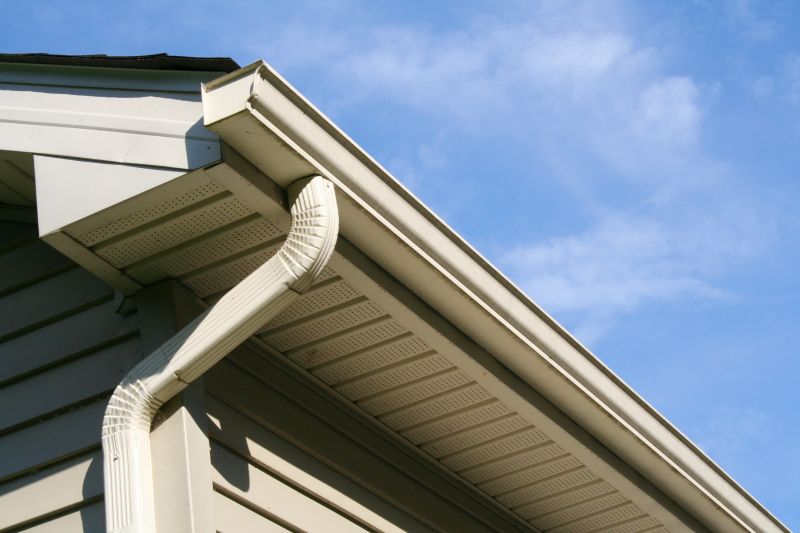
Installation during favorable weather ensures proper sealing and attachment.
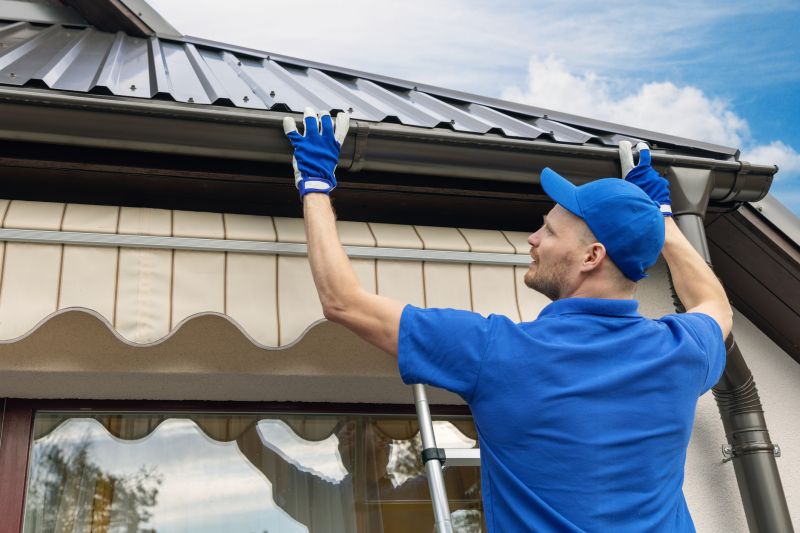
Inspecting eaveses in spring or fall optimizes performance.
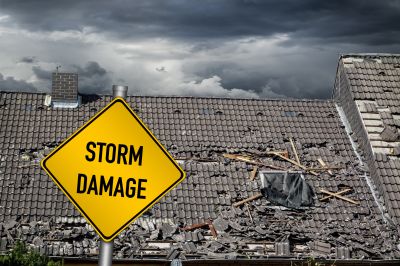
Extreme temperatures can compromise materials and installation quality.
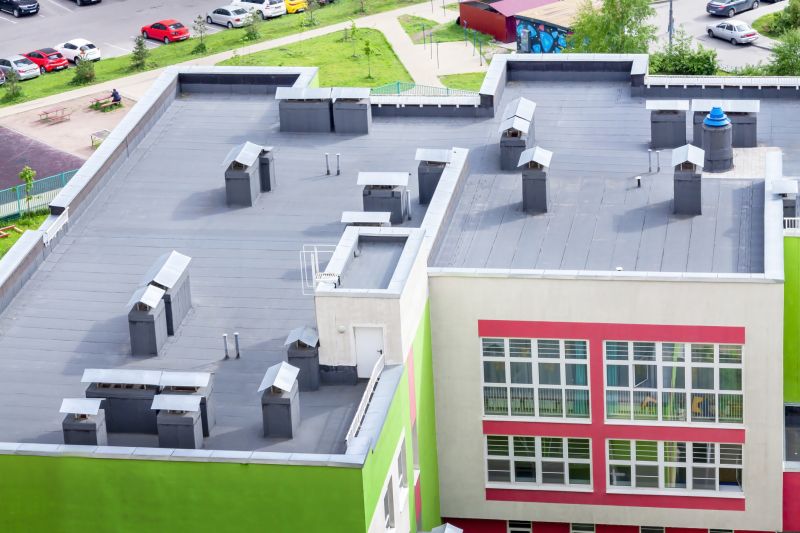
Ways to make Roof Eaveses work in tight or awkward layouts.
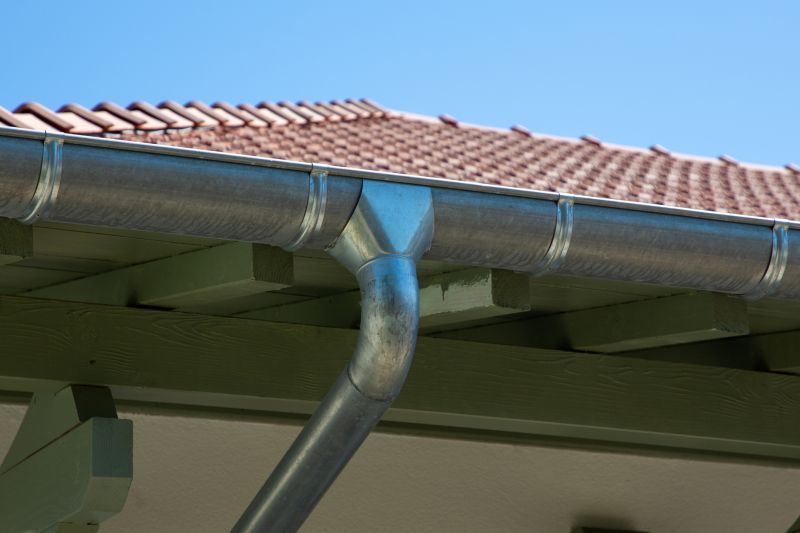
Popular materials for Roof Eaveses and why they hold up over time.
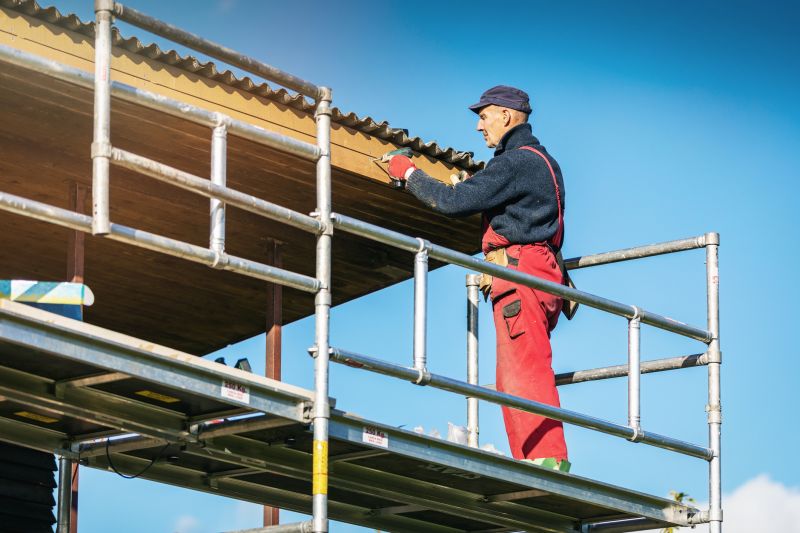
Simple add-ons that improve Roof Eaveses without blowing the budget.
| Season | Ideal Activities |
|---|---|
| Spring | Inspection and minor repairs |
| Summer | Routine maintenance and cleaning |
| Fall | Preparation for winter, sealing and repairs |
| Winter | Limited work due to weather constraints |
| Early Fall | Major repairs and installations |
Roof eaveses serve as a critical barrier against water infiltration, protecting the building's structure and foundation. Properly installed and maintained eaveses help prevent issues such as wood rot, mold growth, and water damage to interior spaces. Eaveses also contribute to energy efficiency by directing airflow and reducing heat transfer. Statistics indicate that well-maintained eaveses can extend the lifespan of roofing systems by several years and reduce repair costs over time.
Selecting the appropriate time for eavese work depends on climate, material type, and specific project needs. Regular inspections and timely repairs are essential for maintaining eavese function and preventing costly damage. Weather conditions play a significant role, with mild temperatures and dry periods offering the best environment for installation and maintenance activities.
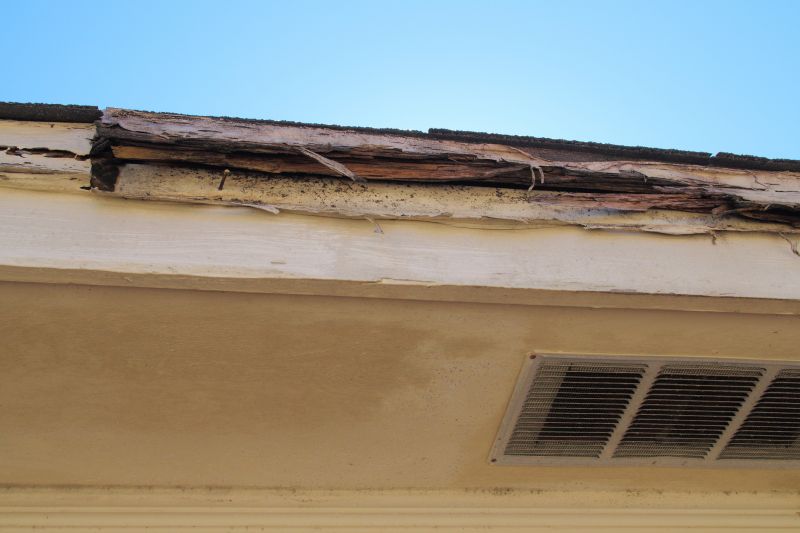
Performing inspections during spring and fall ensures early detection of issues.
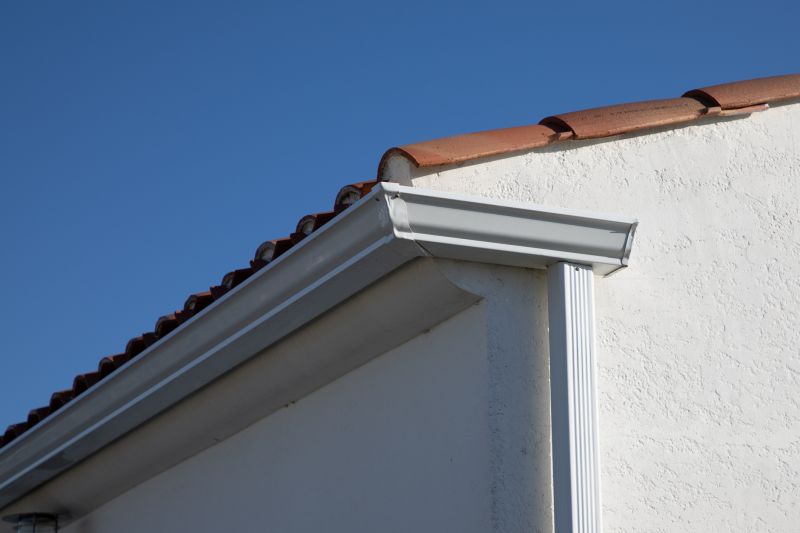
Scheduling during moderate temperatures promotes optimal material performance.
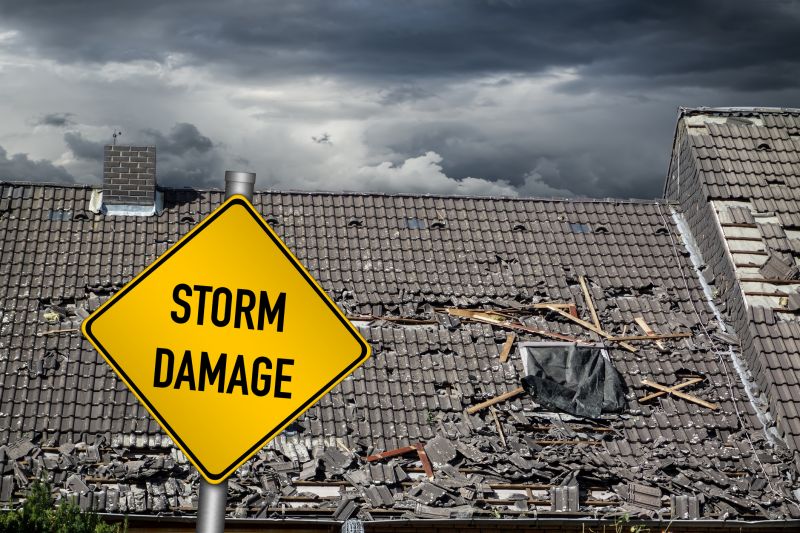
Post-storm inspections help identify damage early.
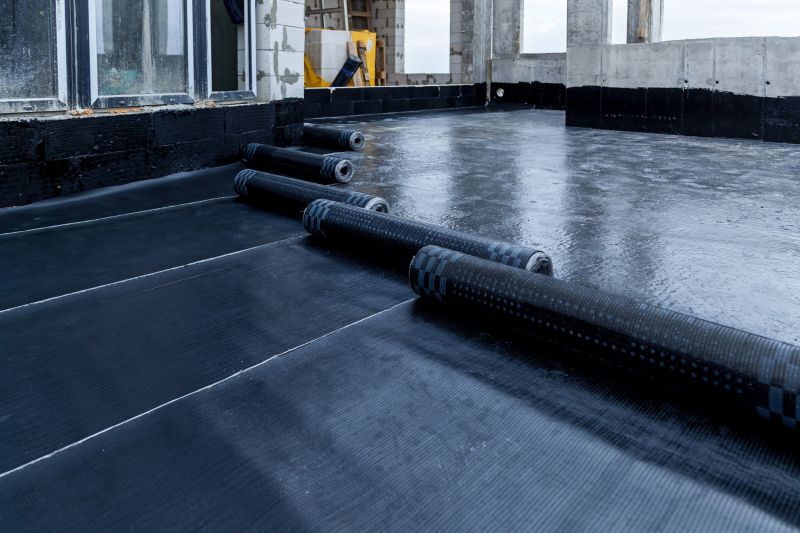
Choosing the right materials for specific weather conditions enhances longevity.
Interested in upgrading or installing roof eaveses? Filling out the contact form provides an opportunity to discuss options, schedule inspections, or plan future projects. Proper timing and maintenance contribute to the durability and effectiveness of eaveses, ensuring they serve their protective function for years to come.